Showing posts with label Energy. Show all posts

Tuesday, August 10, 2010

‘Green’ grant to train workers

By Bruce Edwards
STAFF WRITER - Rutland Herald - Published: August 10, 2010

Vermont will use $4.5 million in federal stimulus funds to train unemployed and underemployed workers for green jobs.

The two-year grant program includes training in a number of fields, including weatherization, renewable energy, recycling and sustainable agriculture.

Several organizations and businesses are sharing in the Vermont Green Energy Training Partnership (www.vermontgreen.org) grant under the auspices of the Central Vermont Community Action Council — one of five community action agencies in the state.

Sunday, August 8, 2010

Innovation Will Spark Jobs

Gareth Henderson
Vermont Standard
August 5, 2010

Bartlett, a former educator who has been in the Senate for 18 years, said her experience as chair of the Senate Appropriations Committee has given her a deep understanding of the state budget and governmental operations. Also, she sees herself as being in the middle of the road politically.

“I thought the Democrats needed a person in the middle to vote for,” Bartlett said.

Sunday, August 1, 2010

Agriculture and Vermont's Future


When we think of Vermont agriculture, we think of green pastures full of grazing cows, with lush cornfields in the background.  That has always been part of our heritage and it will remain part of our future agricultural landscape. 

We know that dairy farmers have had a number of very difficult years and that is caused by the price they receive for their milk.  This price is set by a totally ridiculous pricing system set in Washington. It has nothing to do with the cost of producing mile.  There is little that the state can do to address this issue, but our federal delegation is hard at work to change this system.  As a state Senator I have been active in working with them and as Governor I would remain an active participant in getting the federal government to develop a reasonable reimbursement rate for the milk from our dairy farms. 

There is a great deal more to agriculture in Vermont and here are some of the actions I would take to help in the continuing diversification of our farming economy.  As you will see, the free market is alive and well in the redevelopment of Vermont agriculture.  I believe that the government can lend some assistance in possible access to capitol, but what we really need is a governor who understands that agriculture is alive and well and diversifying rapidly in our state.  This is where a governor can use the office to promote the many wonderful and exciting things that are happening in Vermont.
  • There are a number of small beef, lamb and pork producers in our state.  They have said for several years that they could produce 80% of all the beef and pork we consume in Vermont if they had access to the proper processing facilities.  As Governor I would work with private business and the producers to see that this issue is addressed and help these producers more towards their goal of supplying more and more of the meat we consume.  The same issue applies to poultry.
  • The success of our Vermont artisan cheeses is well known.  The growth of the program at the University of Vermont and the sale of Vermont cheese all over America is an excellent example of what our future in Vermont agricultural products can become.  As this sector continues to grow, I would listen to their plans and where the state can be of assistance, I would make certain the support was available.
  • Vermont wine makers and our breweries continue to grow.  The Agency of Agriculture needs to become knowledgeable about the cultivation of grapes and hops.  These are two crops that can become a very important part of cash crops that will keep agricultural land in farming for years to come.  The demand for the basic supplies of grapes and hops that are grown in Vermont is growing and we should work to meet that demand.
  • Many years ago, Vermont was the breadbasket of the East.  There is no reason why we cannot return to that claim.  As farms became larger and larger and all the grain was grown in the mid-west, the strains of wheat and other grains that used to be produced in Vermont have been lost.  The University of Vermont Extension Service has been working with Vermont farmers to redevelop strains of wheat and other grains that grow well in our climate and in our soils.  As governor I would make certain that this work continues and we provide the necessary support to take back the claim of being the breadbasket of New England.  Working with Vermont businesses such as King Arthur’s Flour and the Red Hen Bakery, Vermont agriculture can return to its roots and grow crops that are suited for our climate and do not require heavy fertilizing and do not require high transportation costs for the finished product.  It will be important to make certain that financing is available for these developing agricultural businesses and as governor I would make certain that the Vermont Economic Development Authority (VEDA) has the necessary capitalization to help these agricultural based businesses grow. 
  • Throughout Vermont there are some very exciting projects with bio-diesel.  At Roger Rainville’s farm he is successfully producing all the fuel he needs for this farming equipment.  The sunflowers that are grown produce the oil that is processed into bio-diesel and the processed sunflower seeds produce high protein feed for the calves.  The total cost of producing the bio-diesel on the farm is $1.70 a gallon.  The cost of purchasing that bio-diesel is $2.70 a gallon.  This is an excellent example of a win for the farmer with a number of cost savings and a win for the environment.  The transportation costs are reduced and the need to purchase feed from out-of-state is greatly reduced.
  • In times gone by it took 20% of a farmers land to produce the feed to take care of the horses and oxen that provide the “work” for the farm.  It turns out that it takes 20% of the farmers land to produce the bio-diesel to run the machines of today.  It seems that farmers are simply relearning the farming practices of their grandfathers.

Buying local and farmer’s markets are helping fruit and vegetable growers all over the state find outlets for their products.  I believe that what is necessary to help producers sell their products not only locally, but regionally is a series of cooperative type organizations.  

There is a business in Lamoille County called Deep Roots, and they have been in business for many years.  They are a cooperative that grows organic vegetables and then sell them in Boston and New York.  This allows the farmers to do what they do best, grow crops. The marketing is taken care of by that part of the business.  Each year every farmer knows what they will grow and that the sale of those crops is taken care of. Deep Roots is in the process of building a storage facility to facilitate year around access to many of its fruits and vegetables.  

A series of these types of businesses around the state would assure that an on-going supply of fruits and vegetables would be available to markets and restaurants throughout the year.

Thursday, July 22, 2010

Susan Speaks at "Race to Replace"

In addition to talking about closing VY and renewable energy, Bartlett shows her humorous side in this video shot last spring.

Friday, July 16, 2010

Stable, Reasonably Priced Electricity

Currently our utilities are in the process of signing long-term agreements with suppliers to make sure that all Vermonters have access to affordable electricity in the up-coming years. As Governor I believe that the most effective action I could take would be to help educate all Vermonters about efficiency and conservation.

The most affordable electricity that anyone can use is the electricity they never use. That is a statement that seems so obvious that it may sound silly, but it is surprising how few individuals take advantage of Efficiency Vermont. We Vermonters spend almost $700 million a year on electricity. If every home and business in Vermont were to take advantage of Efficiency Vermont, our consumption of electricity would decrease dramatically. We could keep almost $14 million a year in our pockets if we all cut our consumption of electricity by 2%. The investments in efficiency tend to be on-going, so think about how much money we could save over a period of only a few years.

Electricity, unlike many things we consume does not decrease in cost as we use more. In fact one of the major costs of electricity is that we have to have power plants ready to produce power when we are at our “peak” usage, like these very hot spells in Vermont. It is costly to have those plants on “stand by” and we all have to pay for them to be there all of the time.

The introduction of the “Smart-grid” is one way to address the issue of “peak” usage and the cost that these peaks add to our electric bills. The Smart Grid allows the utility and the consumer to have constant information about the amount of energy they are using at any given time. The Smart Grid will allow the consumer to take advantage of this information and use electricity when there is low demand, which will level out the peak demand. We know that usage peaks when we all get home from work or when we are all getting ready for school and work. The Smart grid allows your electric water heaters to heat the water before or after the peak demand, you will still have all the hot water you want, it’s just when does that water get heated. Your dish washer or washing machine can come on when the demand is low and so can your drier. The smart use of electricity plus the use of efficiency can save all of us millions of dollars.

As Governor, I would make efficiency and conservation a number one priority. This combined with investments in renewable energy would help move Vermont towards an affordable and environmentally efficient energy future.

Thursday, June 24, 2010

My Vision for our Energy Future

A major issue we face now is the lack of a comprehensive energy plan. Where will our base load energy come from for the next 20 years? How can we expand our use of renewable energy and have it become truly affordable?

As governor I will create a blue ribbon panel of Vermont experts in the energy field to create a 5, 10 and 20 year plan for moving Vermont to a locally produced, reliable energy future. The impact of this planning, and supporting legislation, is as important as Act 250 was to preserve our landscape in the 1970s.

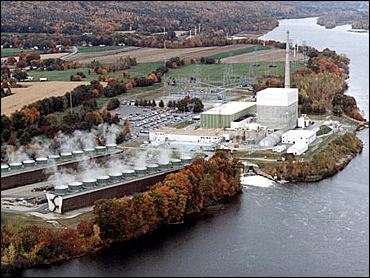
I cannot foresee any circumstances that would persuade me to support the operation of the Vermont Yankee Nuclear Power Plant beyond its long scheduled 2012 closing date. Vermont needs to turn the page on VY and focus on meeting our energy needs from other sources of energy with an ever-increasing emphasis on energy efficiency and conservation.

Almost every transition creates some hardships and when Vermont Yankee closes in 2012 there will be changes in jobs and a loss of jobs. On the other hand we know that every transition creates opportunities. We know this transition is coming and as governor I will work between now and 2012 to mitigate the negative affects.

The current number of jobs at the plant is approximately 900 and upon closing it is estimated there will be a loss of 300 jobs in the first year. We know that moving the plant to SAFSTOR keeps a number of jobs at the plant for many years. If the plant moves to decommissioning, literally taking the plant apart, there are a number of jobs created for the process of disassembling the plant. This not only provides the benefit of the total removal of the plant, but also allows for additional time to create new jobs in the energy field.

In the consensus economic and fiscal impact analyses associated with the future of Vermont Yankee, they show an increase in jobs over several years if we as a state make investments in efficiency, conservation and renewables. Using the money in the Clean Energy Fund, money from a fee the state receives from Vermont Yankee for dry cask storage (this will continue as long as the casks are there) we can invest millions of dollars a year into the creation of new energy jobs.

Given the significant transmission infrastructure development surrounding Vermont Yankee, I believe it is important to explore the generation opportunities that could be locally sited. This could be biomass that would create construction jobs and long-term timber production and logging and forestry jobs. I believe it is important to explore the possibility of a natural gas fired plant on the site, which would provide many high paying jobs.

Energy efficiency is the least expensive and cleanest source of electrical energy. Energy efficiency investments create jobs because energy efficiency improvements are labor intensive and local. Besides creating jobs, the money saved generated by efficiency improvements stays with the consumer, helping all of Vermont’s economy. Vermont has a long and strong tradition of investment in energy efficiency and should continue its investment. It will reduce our use of electricity as well as the use of energy to heat our homes while creating jobs in the hard-hit construction industry.

We are in the process of changing Efficiency Vermont into an all-fuels utility.  That will be a huge help to all homeowners as they learn how many ways they can save not just electricity, but all other forms of energy.

Vermont has a number of small hydroelectric facilities. With moderate improvements to make them run more efficiently, they will remain an important Vermont resource. Expansion of our wind farms, wood-fired generation, solar generation and farm and landfill methane projects will also be needed.

Industrial wind power is the most-talked about form of renewable energy because it is the most controversial. I am not willing to give up our beautiful ridge lines to wind turbines without a comprehensive plan for our energy future. Once we know where we are going, we need to streamline the permit process and allow folks not only in the town where they are located, but people in surrounding towns a voice as well.

Biomass is a great source of energy for Vermont and must be part of our energy mix. It will create jobs and can generate not only heat, but also electricity through co-generation. There are several plans in the works to heat entire areas of towns from one plant. We have biomass plants generating electricity now and another on the way.

I have supported a group up in the islands called the Farmer's Watershed Alliance and they have been working on best practices to help clean up water's that drain into our streams and ponds and lakes.  One of the other projects they have been working on is bio-diesel.   They can produce bio-diesel from their seeds crops (canola and sunflower) for $1.70 a gallon...it costs them $2.70 to buy it!   The by-product of the pressing is very high in protein and they use it to feed their calves and don't have to buy grain.  Talk about a win/win for the farmer, for the environment and for energy use. I can foresee whole farms making fuel to sell locally at a profit.

Vermont spends a lot of money buying power for our public buildings. A long-term plan could have us equipping them with solar panels that generate more power than they use. This will benefit our schools and other public facilities and help to lower taxes once the equipment is paid for.

Our SPEED feed-in tariff for renewable energy is a perfect example of how we can develop local resources. Vermont also needs to have a mix of long-term fixed-price contracts with renewable generation in New England. The Hydro-Quebec contract is not a fixed price contract and it does not protect Vermonters from high electric prices in the future.

The Smart Grid should be fully developed. Right now the potential of the smart grid is unknown, but can become an important piece of conservation. I do not think that individual utilities will necessarily develop this process to its full capacity. My administration will provide strong leadership to the regulators to ensure we can maximize the efficiency of the use of grid resources.


CLIMATE CHANGE

We all live on this planet and no one can ignore the global changes that man has made on it. We cannot continue with the relatively unrestrained abuse of our planet’s air, water and soil without dire consequences. Although the science supporting climate change has been continually challenged by a small but vocal group of skeptics, as the body of scientific knowledge has grown, the debate has mostly shifted from whether it is real to how best to control it. I believe it is real and I refer you to my definition of a green economy.

Carbon dioxide is the greenhouse gas that is produced in Vermont by the burning of fossil fuel for home heating, transportation and electric power demand. State and federal policies that promote efficiency reduce the need to burn fuel. For home heating, building codes, energy efficiency initiatives like Efficiency Vermont, extending federal tax energy efficiency credits and federal appliance efficiency standards are effective tools. In the area of transportation we need to develop real systems of public transportation.

GREEN ECONOMY

The next priority is ensuring that Vermont leads in the use of clean energy and that we develop a plan for how we best create a green economy.

I think that the Green Economy is much more than green energy. For me it is today’s reusing, reducing and recycling model. The Green Economy is about renewables and conservation, waste management, sustainable transportation and buying local. It’s about putting systems in place that will lead us all to an economy that is based on lowering our carbon footprint as individuals and as society as a whole. A Green Economy is a sustainable economy.

I believe that there are many different jobs created as we move towards a green economy. Certainly there are many jobs created when we support making our homes and places of work more energy efficiency, when we build bike paths, when we install solar panels and wind turbines. I believe the longer lasting jobs will be created by the innovation that we Vermonters develop as we develop a Green Economy.

It’s not building the wind turbine, it is creating the technology that makes the turbine a better turbine and then getting a patent on that technology that creates the jobs and grows our economy long term. It’s the system of waste management that is innovative and patented that creates the long-term economic development. It’s the innovative ideas and equipment we develop to clean up Lake Champlain that will attract and keep young people in Vermont. It is the many spin-off companies that can grow from the innovations in any field of the green economy. If we become the home of innovation and intellectual property (patents) we will grow the economy and keep and attract young people to Vermont.

PUBLIC TRANSPORTATION

As I drive past our Park and Rides, they are not filled to capacity right now and I would venture a guess that public transit is not filled. Obviously when gas is really expensive, we will leave our cars, but most of the time we are still wed to our individual automobiles. I believe that using dollars to modernize our public transit system is very important and that as a state we have to be willing to support public transit for a number of years before we change our habits. As governor I would institute programs that “sell” public transportation as a way to save money for individuals and a way to help lower our over all carbon footprint.

I believe that rail can become an important part of our public transit system. As we receive the federal dollars to upgrade our rail beds, I believe that commuter runs between places like St Albans to Montpelier and Bennington to Rutland can become an important piece of commuting in Vermont. There is interest, followed by dollars, in Washington that has not existed for many years and as governor I would have a plan in place to show that there is definitely interest in reliable public transit, by rail, for everyday commuters. It will take time to change our habits and it will take a long-term commitment to create these changes.


CIRC HIGHWAY

Thirty-five years ago the Circumferential Highway was the reflection of the thinking of the day; ways to go around cities for all of those cars. Today there is more of a desire to get us out of our individual cars and onto public transit. The land has been purchased and many communities planned their growth around the idea of a circ highway. Our world has changed in 35 years and what once was a perfect solution may not now be the best idea. With the new environmental study, as governor I would get the businesses and communities most affected to work together to decide what really is the best use of our dollars. The dollars used to build a major highway would go a long way to establish a modern public transit system that addressed the needs of commuters and communities.

Again, what we need is a long-term energy plan for our state that addresses both generation and use of not only electricity, but also fossil fuel. My administration will make certain that one is developed. There are so many exciting things happening around all forms of energy that I am certain that Vermont can lead the country in sustainable energy use.

Wednesday, June 23, 2010

6/20 St. Albans & Alburgh

This week in the Bartlett campaign has been particularly exciting. Susan and I traveled to St. Albans and spoke with many business and community leaders there, who voiced varied concerns about the possibility of a Wal-Mart close by. St. Albans and the business community that resides there has been particularly resilient throughout the economic recession, and it was encouraging to see thriving local businesses.

Later that day we traveled to Borderview Farm in Alburg, where I had an exciting opportunity to witness the research and practices of Roger Rainville, who is using sustainable farming practices to conduct research on a variety of matters, including a plot to grow hops for Vermont beer companies such as Rock Art. Roger has between 2,000-3,000 research plots, where he conducts water quality studies as part of the UVM extension.

Perhaps the most exciting part of Roger's farm is that the entire farm runs on biodiesel that Roger processes through canola and sunflower seeds grown right in his farm. Roger has, after cost, been able to make each gallon of biodiesel for $1.70, well below the cost of fossil fuels. Susan has supported Roger through appropriations for the last several years, and farmers like Roger need to be supported to keep Vermont a working, farming landscape.

It's also been so encouraging to talk to Vermonters across the state on the phones and in their towns and see the support for Susan and her campaign for Governor.

Monday, June 21, 2010

What to do about job loss at Vermont Yankee


If Vermont Yankee closes how do you replace the jobs lost — in terms of numbers and pay — and blunt the broader economic impact of the lost jobs?

Almost every transition creates some hardships and when Vermont Yankee closes in 2012 there will be changes in jobs and a loss of jobs. On the other hand we know that every transition creates opportunities. We know this transition is coming and as governor I will work between now and 2012 to mitigate the negative impacts.

The current number of jobs at the plant is approximately 900 and upon closing it is estimated there will be a loss of 300 jobs in the first year. We know that moving the plant to SAFSTOR keeps a number of jobs at the plant for many years. If the plant actually moves to decommissioning, literally taking the plant apart, there are a number of jobs created for the process of disassembling the plant. This not only provides the benefit of the total removal of the plant, but also allows for additional time to create new jobs in the energy field.

In the consensus economic and fiscal impact analyses associated with the future of Vermont Yankee, they show an increase in jobs over several years if we as a state make investments in efficiency, conservation and renewables. Using the money in the Clean Energy Fund, money from a fee the state receives from Vermont Yankee for dry cask storage (this will continue as long as the casks are there) we can invest millions of dollars a year into the creation of new energy jobs.

Given the significant transmission infrastructure development surrounding Vermont Yankee, I believe it is important to explore the generation opportunities that could be locally sited. This could be biomass that would create construction jobs and long-term timber production and logging/forestry jobs. I believe it is important to explore the possibility of a natural gas fired plant on the site, which would provide many high paying jobs.

Energy efficiency investments create jobs because energy efficiency improvements are labor intensive and local. Besides creating jobs, the money saved generated by efficiency improvements stays with the consumer, helping all of Vermont’s economy.

Vermont has a long and time-tested spirit of entrepreneurism that has seen us through many tough times. I am confident that we will tap into that spirit and bring forward new ideas and creative businesses models that will power our future. The key to mitigation of the potential negative economic impacts is developing a plan to help the workers who will lose their jobs, research if a new plant on the site is possible, plan for the expansion of efficiency and conservation and invest in renewable energy sources.

6/19 in Franklin County

I spent a really interesting and exciting day up in Highgate on a farm that is producing all of their own biodiesal from sunflower seeds they grow themselves. The by product of the pressing to get the oil is a high quality feed that they use for their calves and they don't have to buy any grain for them now. The biodiesal is also $1 a gallon cheaper than they can buy it from the private sector. Talk about a win win for the farmer, the environment and the land!

I have helped fund these projects as Chair of Appropriations and it is really exciting to see the rapid development of alternative energy. I sincerely believe that Vermont can lead the way to showing that we can radically reduce our carbon footprint and make the land a better place.

-Susan