The Importance of Jobs from Susan Bartlett on Vimeo.
Wednesday, August 11, 2010
The Importance of Jobs
The Importance of Jobs from Susan Bartlett on Vimeo.
Tuesday, August 10, 2010
‘Green’ grant to train workers
Sunday, August 8, 2010
Innovation Will Spark Jobs
Monday, August 2, 2010
What laws, rules or regulations would you change or enact to encourage business to remain, grow or locate in Vermont and that dissuade them from leaving? How would those changes work?
Sunday, August 1, 2010
Agriculture and Vermont's Future
We know that dairy farmers have had a number of very difficult years and that is caused by the price they receive for their milk. This price is set by a totally ridiculous pricing system set in Washington. It has nothing to do with the cost of producing mile. There is little that the state can do to address this issue, but our federal delegation is hard at work to change this system. As a state Senator I have been active in working with them and as Governor I would remain an active participant in getting the federal government to develop a reasonable reimbursement rate for the milk from our dairy farms.
There is a great deal more to agriculture in Vermont and here are some of the actions I would take to help in the continuing diversification of our farming economy. As you will see, the free market is alive and well in the redevelopment of Vermont agriculture. I believe that the government can lend some assistance in possible access to capitol, but what we really need is a governor who understands that agriculture is alive and well and diversifying rapidly in our state. This is where a governor can use the office to promote the many wonderful and exciting things that are happening in Vermont.
- There are a number of small beef, lamb and pork producers in our state. They have said for several years that they could produce 80% of all the beef and pork we consume in Vermont if they had access to the proper processing facilities. As Governor I would work with private business and the producers to see that this issue is addressed and help these producers more towards their goal of supplying more and more of the meat we consume. The same issue applies to poultry.
- The success of our Vermont artisan cheeses is well known. The growth of the program at the University of Vermont and the sale of Vermont cheese all over America is an excellent example of what our future in Vermont agricultural products can become. As this sector continues to grow, I would listen to their plans and where the state can be of assistance, I would make certain the support was available.
- Vermont wine makers and our breweries continue to grow. The Agency of Agriculture needs to become knowledgeable about the cultivation of grapes and hops. These are two crops that can become a very important part of cash crops that will keep agricultural land in farming for years to come. The demand for the basic supplies of grapes and hops that are grown in Vermont is growing and we should work to meet that demand.
- Many years ago, Vermont was the breadbasket of the East. There is no reason why we cannot return to that claim. As farms became larger and larger and all the grain was grown in the mid-west, the strains of wheat and other grains that used to be produced in Vermont have been lost. The University of Vermont Extension Service has been working with Vermont farmers to redevelop strains of wheat and other grains that grow well in our climate and in our soils. As governor I would make certain that this work continues and we provide the necessary support to take back the claim of being the breadbasket of New England. Working with Vermont businesses such as King Arthur’s Flour and the Red Hen Bakery, Vermont agriculture can return to its roots and grow crops that are suited for our climate and do not require heavy fertilizing and do not require high transportation costs for the finished product. It will be important to make certain that financing is available for these developing agricultural businesses and as governor I would make certain that the Vermont Economic Development Authority (VEDA) has the necessary capitalization to help these agricultural based businesses grow.
- Throughout Vermont there are some very exciting projects with bio-diesel. At Roger Rainville’s farm he is successfully producing all the fuel he needs for this farming equipment. The sunflowers that are grown produce the oil that is processed into bio-diesel and the processed sunflower seeds produce high protein feed for the calves. The total cost of producing the bio-diesel on the farm is $1.70 a gallon. The cost of purchasing that bio-diesel is $2.70 a gallon. This is an excellent example of a win for the farmer with a number of cost savings and a win for the environment. The transportation costs are reduced and the need to purchase feed from out-of-state is greatly reduced.
- In times gone by it took 20% of a farmers land to produce the feed to take care of the horses and oxen that provide the “work” for the farm. It turns out that it takes 20% of the farmers land to produce the bio-diesel to run the machines of today. It seems that farmers are simply relearning the farming practices of their grandfathers.
Buying local and farmer’s markets are helping fruit and vegetable growers all over the state find outlets for their products. I believe that what is necessary to help producers sell their products not only locally, but regionally is a series of cooperative type organizations.
A series of these types of businesses around the state would assure that an on-going supply of fruits and vegetables would be available to markets and restaurants throughout the year.
Thursday, July 29, 2010
A Realistic Jobs Plan for Vermont
As governor there are a number of things I would work to have implemented to help retain and create jobs for Vermonters. The one issue that we all agree upon is that the telecommunications-high speed Internet structure must be developed rapidly and it must reach all parts of the state. This will need to be a public/private partnership to support access for all Vermonters. This is an example of having lots of the parts, but no system. My administration will immediately assemble the parts that exist, the parts that are planned and all the partners to lie out the completion of an up-to-date system for all of Vermont.
I will implement the following ideas as rapidly as possible to grow jobs for Vermont.
I will properly fund the regional economic development organizations and the regional planning commissions. This is where local business folks come to get the information they need. I will make sure that each region had the connections with groups such as the small business administration, Epcore, job-training programs and the sustainable jobs fund. These offices need to be the one stop-shopping place for regional businesses. I will shift $1 million from existing money spent in the central office in Montpelier.
I will assemble a group of small retail business owners to work with state government to consolidate the number of licenses and permits they need to operate their businesses. If we want our downtowns to prosper, we have to make it easier for retail businesses of all kinds to thrive in our downtown areas.
Travel and Tourism is an important part of the Vermont economy. For years the dollars we have invested in this area have only been in marketing. I believe that the agency needs to have several specially trained staff who understand the needs of these special businesses to work with them on business plans and marketing plans so they can get through the good and the bad times. Travel and Tourism is a specialized business just like farming and we should begin to address their business needs, not just their marketing needs. One specialized position $100,000.
Many businesses have trouble gaining access to capital, yet we know that our banks have money to lend. The problem is not that the banks don’t want to lend money, but they have come under so much more regulation from Washington that they can take very little risk. I will work with the Vermont Economic Development Authority (VEDA) and develop a new program that would allow VEDA to work with these businesses and the banks to create lending programs that cover the risk that the banks can’t take. This type of partnership should open the door to lending from the banks and encourage significant growth. Potentially several million dollars to capitalize.
Vermont is a state of innovators and it is time we truly recognized this and turned this asset into real jobs and real wealth for our state. I will start an office of Innovation and Intellectual Property as governor. This office will work with all the regional economic development groups and teach them the basics of helping a business or an individual with an innovative idea get on the path of securing the intellectual property rights for their idea. This office will also help find sources of capital for innovators and will encourage the growth of innovation of all types all around the state. As innovation and the demand for assistance with applying for patents grows, there could be assistance from this office in the form of grants and loans to help inventors achieve their goals of getting their intellectual property and then starting a successful business. For several years I have worked with VCET (Vermont Center for Emerging Technology) to help grow this type of idea. VCET now has a small seed capital fund to help businesses that meet their criteria.
The industry that has been hit the hardest in this recession is that of the building trades. Just like the rest of the country the Vermont housing sector has stalled. From looking at numbers and talking with folks in the field, I think it is safe to say that this sector is suffering from an unemployment rate of at least 30%. If we really want to jump start the Vermont economy, this is the sector we should help. I propose borrowing $15 million a year for two years and giving the money to Housing and Conservation. The housing organizations around the state very easily turn $15 million into $60 million with the financial packages they develop. This would mean $60 million a year spread around the state to begin to address the issue of affordable housing. Every discussion concerning growing our economy comes back to the lack of affordable housing. This two-year program would get the building trades back to work and begin to address the shortage of affordable housing.
I believe that the above steps, combined with my plan for agriculture, will get our economy moving in the right direction and will provide job growth for a number of years. We can fund many of these changes by a reallocation of the existing dollars in the Agency of Commerce and Community Affairs. I feel that these dollars need to be at work in the field, not in Montpelier. There are many Vermonters who are eager to grow their business or to start a business; we just have to provide the right attitude and the right incentives.
Tuesday, July 27, 2010
Bartlett discusses jobs and the economy
"This is about who do we think has the ideas and the skills and the personality and the style that Vermont needs right now, and who can stand next to and beat Brian Dubie," Susan said. "I can walk into the governor’s office tomorrow and I don’t have a learning curve."
Read the article ...
Monday, July 26, 2010
Agriculture day
Sunday, July 25, 2010
Susan speaks to the Vermont Chamber of Commerce Business Expo.
How to help Southern Vermont and the Northeast Kingdom
As governor I would fund the regional economic development groups properly so they could spend their time helping local business. It is these regional organizations that can best assist local business people. It is also these regional groups working locally that can best develop an economic development plan for their region.
The Northeast Kingdom has suffered higher unemployment rates than most of the state for sometime. The area has been very dependent upon Ethan Allen and the severe negative impacts can be seen when the Beecher Falls plant was closed. The expansion at Jay Peak and the interest in a high tech company building in the area are positive signs that more jobs and opportunity are coming to that part of the state. This part of the state has been the champion of getting funding through a federal program referred to as the EB5 program. This allows foreign investors to make investments into targeted programs that create new jobs. As governor I would work to have other parts of the state take advantage of this source of capital.
I believe that innovation and intellectual property will be the answer for good jobs all over Vermont. The interest in renewable energy poses opportunities for regions of Vermont to become the center of excellence for research and innovation. The rapid growth in bio-diesel and growing our own fuel can provide ways to keep our farmlands all over the state as farmland, not houses. I would form an office of Innovation and Intellectual Property that would train all the regional partners in these areas so local businesses would learn of these opportunities and be helped in getting the patents of their ideas. This office would also work to assist in finding new sources of revenue for businesses.
These ideas apply to our entire state. As I am traveling the state, I find so many pockets of good ideas for job growth. I believe that we are poised to come out of this recession in a way that will ensure slow but steady job growth for all of Vermont.
Thursday, June 24, 2010
My Vision for our Energy Future
As governor I will create a blue ribbon panel of Vermont experts in the energy field to create a 5, 10 and 20 year plan for moving Vermont to a locally produced, reliable energy future. The impact of this planning, and supporting legislation, is as important as Act 250 was to preserve our landscape in the 1970s.
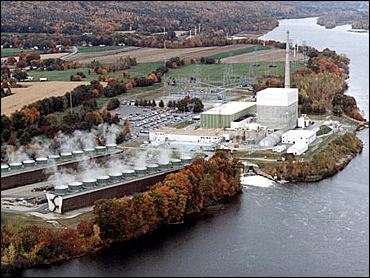
I cannot foresee any circumstances that would persuade me to support the operation of the Vermont Yankee Nuclear Power Plant beyond its long scheduled 2012 closing date. Vermont needs to turn the page on VY and focus on meeting our energy needs from other sources of energy with an ever-increasing emphasis on energy efficiency and conservation.
Almost every transition creates some hardships and when Vermont Yankee closes in 2012 there will be changes in jobs and a loss of jobs. On the other hand we know that every transition creates opportunities. We know this transition is coming and as governor I will work between now and 2012 to mitigate the negative affects.
The current number of jobs at the plant is approximately 900 and upon closing it is estimated there will be a loss of 300 jobs in the first year. We know that moving the plant to SAFSTOR keeps a number of jobs at the plant for many years. If the plant moves to decommissioning, literally taking the plant apart, there are a number of jobs created for the process of disassembling the plant. This not only provides the benefit of the total removal of the plant, but also allows for additional time to create new jobs in the energy field.
In the consensus economic and fiscal impact analyses associated with the future of Vermont Yankee, they show an increase in jobs over several years if we as a state make investments in efficiency, conservation and renewables. Using the money in the Clean Energy Fund, money from a fee the state receives from Vermont Yankee for dry cask storage (this will continue as long as the casks are there) we can invest millions of dollars a year into the creation of new energy jobs.
Given the significant transmission infrastructure development surrounding Vermont Yankee, I believe it is important to explore the generation opportunities that could be locally sited. This could be biomass that would create construction jobs and long-term timber production and logging and forestry jobs. I believe it is important to explore the possibility of a natural gas fired plant on the site, which would provide many high paying jobs.
Energy efficiency is the least expensive and cleanest source of electrical energy. Energy efficiency investments create jobs because energy efficiency improvements are labor intensive and local. Besides creating jobs, the money saved generated by efficiency improvements stays with the consumer, helping all of Vermont’s economy. Vermont has a long and strong tradition of investment in energy efficiency and should continue its investment. It will reduce our use of electricity as well as the use of energy to heat our homes while creating jobs in the hard-hit construction industry.
We are in the process of changing Efficiency Vermont into an all-fuels utility. That will be a huge help to all homeowners as they learn how many ways they can save not just electricity, but all other forms of energy.
Vermont has a number of small hydroelectric facilities. With moderate improvements to make them run more efficiently, they will remain an important Vermont resource. Expansion of our wind farms, wood-fired generation, solar generation and farm and landfill methane projects will also be needed.
Industrial wind power is the most-talked about form of renewable energy because it is the most controversial. I am not willing to give up our beautiful ridge lines to wind turbines without a comprehensive plan for our energy future. Once we know where we are going, we need to streamline the permit process and allow folks not only in the town where they are located, but people in surrounding towns a voice as well.
Biomass is a great source of energy for Vermont and must be part of our energy mix. It will create jobs and can generate not only heat, but also electricity through co-generation. There are several plans in the works to heat entire areas of towns from one plant. We have biomass plants generating electricity now and another on the way.
I have supported a group up in the islands called the Farmer's Watershed Alliance and they have been working on best practices to help clean up water's that drain into our streams and ponds and lakes. One of the other projects they have been working on is bio-diesel. They can produce bio-diesel from their seeds crops (canola and sunflower) for $1.70 a gallon...it costs them $2.70 to buy it! The by-product of the pressing is very high in protein and they use it to feed their calves and don't have to buy grain. Talk about a win/win for the farmer, for the environment and for energy use. I can foresee whole farms making fuel to sell locally at a profit.
Vermont spends a lot of money buying power for our public buildings. A long-term plan could have us equipping them with solar panels that generate more power than they use. This will benefit our schools and other public facilities and help to lower taxes once the equipment is paid for.
Our SPEED feed-in tariff for renewable energy is a perfect example of how we can develop local resources. Vermont also needs to have a mix of long-term fixed-price contracts with renewable generation in New England. The Hydro-Quebec contract is not a fixed price contract and it does not protect Vermonters from high electric prices in the future.
The Smart Grid should be fully developed. Right now the potential of the smart grid is unknown, but can become an important piece of conservation. I do not think that individual utilities will necessarily develop this process to its full capacity. My administration will provide strong leadership to the regulators to ensure we can maximize the efficiency of the use of grid resources.
CLIMATE CHANGE
We all live on this planet and no one can ignore the global changes that man has made on it. We cannot continue with the relatively unrestrained abuse of our planet’s air, water and soil without dire consequences. Although the science supporting climate change has been continually challenged by a small but vocal group of skeptics, as the body of scientific knowledge has grown, the debate has mostly shifted from whether it is real to how best to control it. I believe it is real and I refer you to my definition of a green economy.
Carbon dioxide is the greenhouse gas that is produced in Vermont by the burning of fossil fuel for home heating, transportation and electric power demand. State and federal policies that promote efficiency reduce the need to burn fuel. For home heating, building codes, energy efficiency initiatives like Efficiency Vermont, extending federal tax energy efficiency credits and federal appliance efficiency standards are effective tools. In the area of transportation we need to develop real systems of public transportation.
GREEN ECONOMY
The next priority is ensuring that Vermont leads in the use of clean energy and that we develop a plan for how we best create a green economy.
I think that the Green Economy is much more than green energy. For me it is today’s reusing, reducing and recycling model. The Green Economy is about renewables and conservation, waste management, sustainable transportation and buying local. It’s about putting systems in place that will lead us all to an economy that is based on lowering our carbon footprint as individuals and as society as a whole. A Green Economy is a sustainable economy.
I believe that there are many different jobs created as we move towards a green economy. Certainly there are many jobs created when we support making our homes and places of work more energy efficiency, when we build bike paths, when we install solar panels and wind turbines. I believe the longer lasting jobs will be created by the innovation that we Vermonters develop as we develop a Green Economy.
It’s not building the wind turbine, it is creating the technology that makes the turbine a better turbine and then getting a patent on that technology that creates the jobs and grows our economy long term. It’s the system of waste management that is innovative and patented that creates the long-term economic development. It’s the innovative ideas and equipment we develop to clean up Lake Champlain that will attract and keep young people in Vermont. It is the many spin-off companies that can grow from the innovations in any field of the green economy. If we become the home of innovation and intellectual property (patents) we will grow the economy and keep and attract young people to Vermont.
PUBLIC TRANSPORTATION
As I drive past our Park and Rides, they are not filled to capacity right now and I would venture a guess that public transit is not filled. Obviously when gas is really expensive, we will leave our cars, but most of the time we are still wed to our individual automobiles. I believe that using dollars to modernize our public transit system is very important and that as a state we have to be willing to support public transit for a number of years before we change our habits. As governor I would institute programs that “sell” public transportation as a way to save money for individuals and a way to help lower our over all carbon footprint.
I believe that rail can become an important part of our public transit system. As we receive the federal dollars to upgrade our rail beds, I believe that commuter runs between places like St Albans to Montpelier and Bennington to Rutland can become an important piece of commuting in Vermont. There is interest, followed by dollars, in Washington that has not existed for many years and as governor I would have a plan in place to show that there is definitely interest in reliable public transit, by rail, for everyday commuters. It will take time to change our habits and it will take a long-term commitment to create these changes.
CIRC HIGHWAY
Thirty-five years ago the Circumferential Highway was the reflection of the thinking of the day; ways to go around cities for all of those cars. Today there is more of a desire to get us out of our individual cars and onto public transit. The land has been purchased and many communities planned their growth around the idea of a circ highway. Our world has changed in 35 years and what once was a perfect solution may not now be the best idea. With the new environmental study, as governor I would get the businesses and communities most affected to work together to decide what really is the best use of our dollars. The dollars used to build a major highway would go a long way to establish a modern public transit system that addressed the needs of commuters and communities.
Again, what we need is a long-term energy plan for our state that addresses both generation and use of not only electricity, but also fossil fuel. My administration will make certain that one is developed. There are so many exciting things happening around all forms of energy that I am certain that Vermont can lead the country in sustainable energy use.
Wednesday, June 23, 2010
6/20 St. Albans & Alburgh
Later that day we traveled to Borderview Farm in Alburg, where I had an exciting opportunity to witness the research and practices of Roger Rainville, who is using sustainable farming practices to conduct research on a variety of matters, including a plot to grow hops for Vermont beer companies such as Rock Art. Roger has between 2,000-3,000 research plots, where he conducts water quality studies as part of the UVM extension.
Perhaps the most exciting part of Roger's farm is that the entire farm runs on biodiesel that Roger processes through canola and sunflower seeds grown right in his farm. Roger has, after cost, been able to make each gallon of biodiesel for $1.70, well below the cost of fossil fuels. Susan has supported Roger through appropriations for the last several years, and farmers like Roger need to be supported to keep Vermont a working, farming landscape.
It's also been so encouraging to talk to Vermonters across the state on the phones and in their towns and see the support for Susan and her campaign for Governor.
6/22 A day in Barre
Susan and I decided the best way to deal with the oncoming political apocalypse was to go in and eat. Literally as soon as we walked in the door, one of the staff at the Wayside, a woman named Theresa, came over introduced herself and said she was a supporter. I guess she didn’t get the message our campaign was doomed.
After a good meal from the Wayside, we headed out to downtown Barre, and I was happy to have recruited another volunteer.
The first store we stopped at was Boisvert’s, but they were extremely busy so we headed one down to Nelsons Hardware. At Nelsons, Susan met a few people, and we headed down to Poolmart, where we met someone working there who I had gone to high school with. He said he was in the Air Force and was about to drive down to Texas in about a month. Susan and I must have talked to him and the store owner for over a half-hour, about everything from how business was slow, to what to do about the number of ex-convicts in downtown Barre. We stopped at all sorts of places for a education in how businesses are doing in Barre City. Barre Books, Lubianas Bridal and the new Bridal store in town were all doing well which was encouraging. We also had many stores tell us that this year wasn’t great, but they were holding on, and it was better than last summer. I guess with this economy that can be considered good news.
The highlight of the trip was the last two places we stopped at. Susan had never been to the Local Agricultural Community Exchange (LACE) which opened up a few years ago. She was thirsty and so we went in and I had a root beer. We were enjoying good cold soda on a hot day when she pulled out her Blackberry and read the final version of the press release that her and John put together, “ …. Being a moderate is about your approach to finding solutions and building consensus. A moderate bases decisions on information, not ideology and looks for solutions without preconceived ideas” I don’t think anyone who knows Susan would disagree that’s how she is. I thought it was well done.
After LACE, we passed by Studio Place Arts and decided to see what was inside. I am not an artsy person but they have just a fantastic display of all kinds of historical art about the anarchists of Barre. Perhaps it was just my love of history, but it was really cool. On the other floors we saw some beautifully done stain glass windows, and I guess you would call it, 21st century art on skateboards. Arguably most impressive was some of the local art drawn by kids at Barre Town and Barre City Elementary school. As someone who still struggles with stick-figures, I could not believe how talented some 4th-8th graders were.
Andrew Desmarais
Deputy Field Director
Susan Bartlett Campaign
Monday, June 21, 2010
How I Would Promote Job Growth
I have always believed that jobs are created locally and that we should support our regional economic development groups and our regional planning commissions. They know what is working in their areas, who needs help, and how to match the needs of local business with the available resources in the state for their area.
As governor I will establish a statewide office of Innovation and Intellectual Property. Innovation and entrepreneurs have always been a part of Vermont, but we have failed to acknowledge them as true job creators.
Innovation backed by intellectual property protection raises the value of small companies tremendously, which will create good paying Vermont jobs and allow small Vermont companies to grow into large Vermont companies.
People talk about bringing good paying, high-tech jobs to Vermont. Companies are willing to supply training but they need to start with people who have a strong background in math.
We need to have local technical centers gear up immediately to work with companies to provide the basic education and skills to prepare Vermont workers. As governor, I will work to develop a truly close working relationship between our schools and our business community. Read more ...
We need to address helping Vermonters keep the jobs they have. Employers train employees then find they don’t last very long. They have the basic skills, but something doesn’t work out and they quit after a short time. We need to support workers and help them solve distracting problems in their personal life.
If a worker has problems at home, or has trouble getting government assistance, it has a direct impact on their performance at work. On a lunch break, a specialist can put the employee in touch with the right agency and help them get the paperwork done. This additional assistance can turn a distracted employee into a great worker, and because the worker is valued and less distracted, it is a real benefit to the employer. Read more ...
I pushed for increasing funding for the Vermont Employment Growth Incentive (VEGI), a program that was started several years ago to encourage job growth in Vermont through cash incentives to employers. This is expected to help create 800 good paying jobs in Vermont.
These are performance based incentives, so until the company has created the jobs and folks have been working for a specific time period, the incentive is not paid. They are paid out over a period of years. These new jobs create more revenues for the state, so these incentives don’t “cost” the state money, they just share some of the new revenues with the company that creates these new revenues.
Affordable Childcare is Important to Education and Our Economy
I believe that childcare should be viewed as an important part of our educational system. More and more research shows that the early years of growth and development are important. Investments in early education and high quality day care are in reality an economic savings. Affordable, high quality day care allows women to work and to become part of our growing economy and it allows children access to the early learning opportunities that are so important for success in school.
As governor I would begin to address this issue by removing the cap on pre-school positions. It is horrible that children have to win a lottery and that schools have to say no to what we understand now is the foundation for good education. Next I would work to educate Vermonters on the value of these programs. I think it is very encouraging that the Business Roundtable is once again talking about this issue as the key to future economic growth in Vermont.
I believe that the key to this issue is the understanding and support of the entire business community. I do not believe it would be overly expensive to provide all of Vermont children access to high quality childcare. The real issue is convincing Vermonters that the early dollar investment is not only smart, but also saves dollars in the long run by encouraging the success of every child.
As governor I would also propose that all day care, preschool and school meals are free and nutritious. Why? First they should be free because so many parents will not apply for the assistance, so their children go without. Next, when children are hungry, they cannot focus on learning, they simply think and worry about their next meal. In a state with so much, how can we allow any child to go hungry? By combining the money we already spend on school meals, we could meet this goal with little additional spending and we could achieve immediate, positive results for children.
What specific steps can a governor take to create jobs?
I have always believed that jobs are created locally and that we should support our regional economic development groups and our regional planning commissions. They know what is working in their areas, who needs help, and how to match the needs of local business with the available resources in the state for their area.
As governor I will establish a statewide office of Innovation and Intellectual Property. Innovation and entrepreneurs have always been a part of Vermont, but we have failed to acknowledge them as true job creators.
Innovation backed by intellectual property protection raises the value of small companies tremendously, which will create good paying Vermont jobs and allow small Vermont companies to grow into large Vermont companies.
People talk about bringing good paying, high-tech jobs to Vermont. Companies are willing to supply training but they need to start with people who have a strong background in math.
We need to have local technical centers gear up immediately to work with companies to provide the basic education and skills to prepare Vermont workers. As governor, I will work to develop a truly close working relationship between our schools and our business community.
We need to address helping Vermonters keep the jobs they have. Employers train employees then find they don’t last very long. They have the basic skills, but something doesn’t work out and they quit after a short time. We need to support workers and help them solve distracting problems in their personal life.
If a worker has problems at home, or has trouble getting government assistance, it has a direct impact on their performance at work. On a lunch break, a specialist can put the employee in touch with the right agency and help them get the paperwork done. This additional assistance can turn a distracted employee into a great worker, and because the worker is valued and less distracted, it is a real benefit to the employer.
I pushed for increasing funding for the Vermont Employment Growth Incentive (VEGI), a program that was started several years ago to encourage job growth in Vermont through cash incentives to employers. This is expected to help create 800 good paying jobs in Vermont.
These are performance based incentives, so until the company has created the jobs and folks have been working for a specific time period, the incentive is not paid. They are paid out over a period of years. These new jobs create more revenues for the state, so these incentives don’t “cost” the state money, they just share some of the new revenues with the company that creates these new revenues.
What to do about job loss at Vermont Yankee
If Vermont Yankee closes how do you replace the jobs lost — in terms of numbers and pay — and blunt the broader economic impact of the lost jobs?
Almost every transition creates some hardships and when Vermont Yankee closes in 2012 there will be changes in jobs and a loss of jobs. On the other hand we know that every transition creates opportunities. We know this transition is coming and as governor I will work between now and 2012 to mitigate the negative impacts.
The current number of jobs at the plant is approximately 900 and upon closing it is estimated there will be a loss of 300 jobs in the first year. We know that moving the plant to SAFSTOR keeps a number of jobs at the plant for many years. If the plant actually moves to decommissioning, literally taking the plant apart, there are a number of jobs created for the process of disassembling the plant. This not only provides the benefit of the total removal of the plant, but also allows for additional time to create new jobs in the energy field.
In the consensus economic and fiscal impact analyses associated with the future of Vermont Yankee, they show an increase in jobs over several years if we as a state make investments in efficiency, conservation and renewables. Using the money in the Clean Energy Fund, money from a fee the state receives from Vermont Yankee for dry cask storage (this will continue as long as the casks are there) we can invest millions of dollars a year into the creation of new energy jobs.
Given the significant transmission infrastructure development surrounding Vermont Yankee, I believe it is important to explore the generation opportunities that could be locally sited. This could be biomass that would create construction jobs and long-term timber production and logging/forestry jobs. I believe it is important to explore the possibility of a natural gas fired plant on the site, which would provide many high paying jobs.
Energy efficiency investments create jobs because energy efficiency improvements are labor intensive and local. Besides creating jobs, the money saved generated by efficiency improvements stays with the consumer, helping all of Vermont’s economy.
Vermont has a long and time-tested spirit of entrepreneurism that has seen us through many tough times. I am confident that we will tap into that spirit and bring forward new ideas and creative businesses models that will power our future. The key to mitigation of the potential negative economic impacts is developing a plan to help the workers who will lose their jobs, research if a new plant on the site is possible, plan for the expansion of efficiency and conservation and invest in renewable energy sources.